by Megan
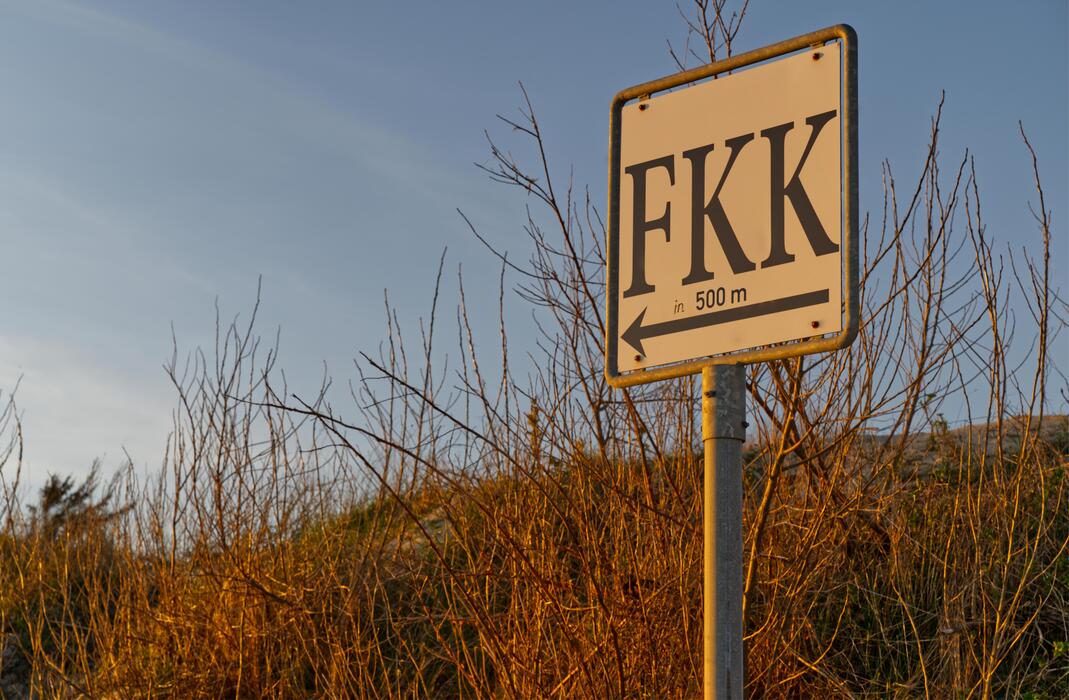
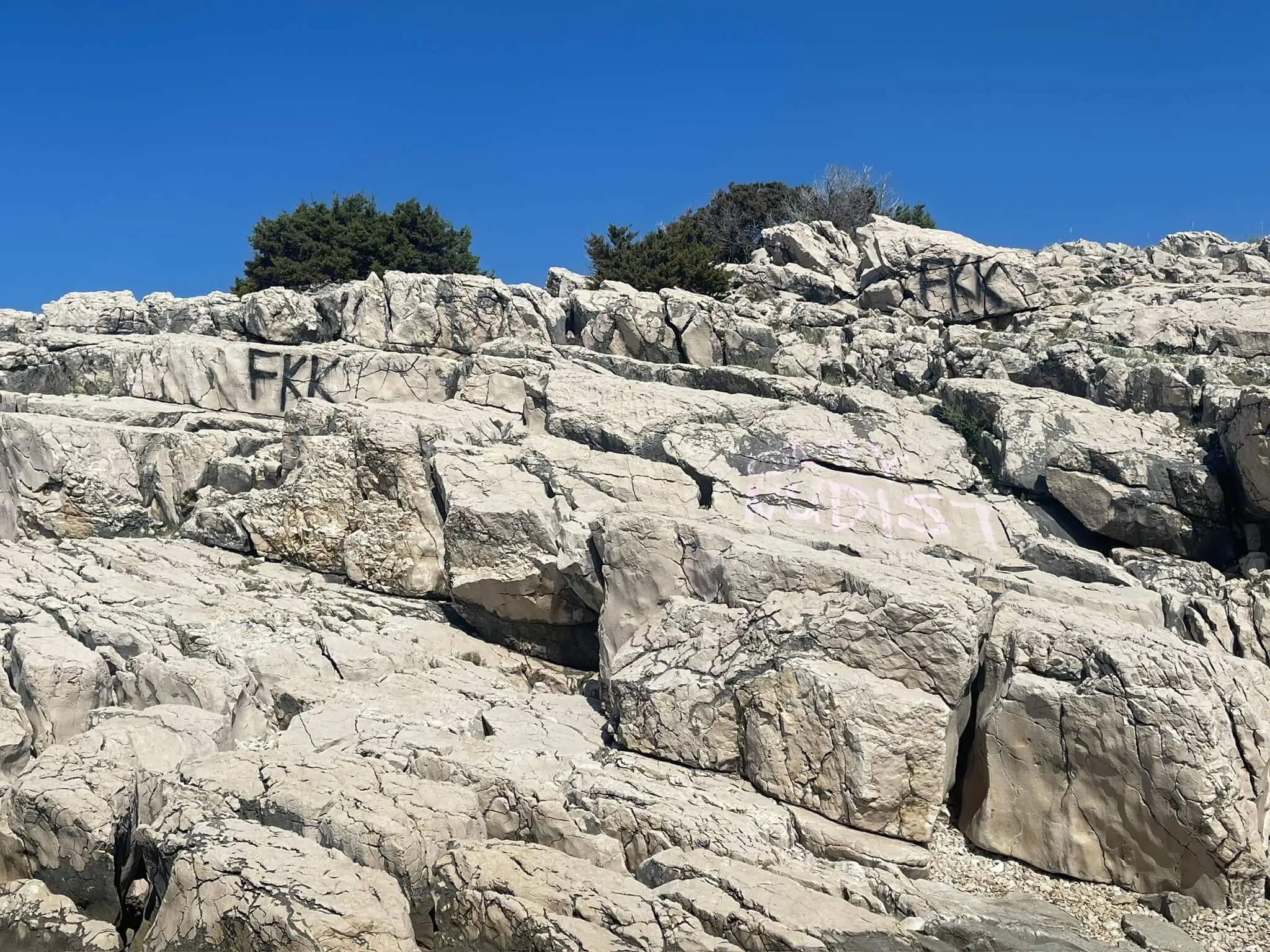
When you review nude beaches for a living - or just visit a lot - there’s always that tiny buzz of anxiety: is this one actually clothing-optional? Nine times out of ten the confirmation is three letters sprayed on a rock or signpost as you approach: FKK. It’s become the unofficial “nudity ahead” beacon we all look for.
We wanted to dig a little deeper into what FKK actually means and how it ended up everywhere.
What FKK actually is
FKK is short for Freikörperkultur German for “free body culture.” It grew out of late-19th-century life-reform ideas about health, sunlight, fresh air, swimming, simple food, and non-sexual social nudity. Over time, clubs, camps, and beaches picked up the label because it said in three letters what pages of rules try to: relax, be respectful, this is normal here.
Authoritarian periods tried to rein in public nudity with rules and bans, but the culture proved hard to stamp out because it was tied to everyday health and equality rather than shock value. After World War II, the movement regained momentum; in East Germany, especially, FKK became a small symbol of personal freedom within a controlled society, and lakes and coasts filled with nude bathers.
Is FKK an organisation, and is it still around?
FKK isn’t a single organisation. It’s a culture and a tradition that lots of clubs, resorts, and federations align with. Some groups use the term in their names, and national / international naturist bodies exist, but “FKK” itself isn’t a headquarters or a company. And yes it very much still exists, mostly through signs on beaches and organisations. The language and the practice are alive and well in Europe.
From a philosophy to nude beach-finding
Somewhere along the way, FKK jumped from an idea to a shortcut for directions. Those three letters do two jobs at once:
1/ Signal the mindset (non-sexual, respectful, body-positive space), and
2/ Mark the zone where nudity is accepted or expected.
Who's painting or marking "FKK" at beaches?
It’s a mix. You’ll see:
- Official signs from councils, parks, or resorts (proper boards, pictograms, boundary maps).
- Operator signs made by the beach club or campsite itself.
- And sometimes the famous spray-painted “FKK” on rocks - usually unofficial, added by locals or regulars who just want newcomers to know where the naturist area starts. Helpful? Often. Government-issued? Probably not!
Outside Europe, you’ll spot different labels like “Clothing-Optional,” “Naturist,” or official park symbols, usually the same idea with different words. The shared goal is to lower the guesswork and the awkwardness to be clear: you’re fine to undress beyond this point.
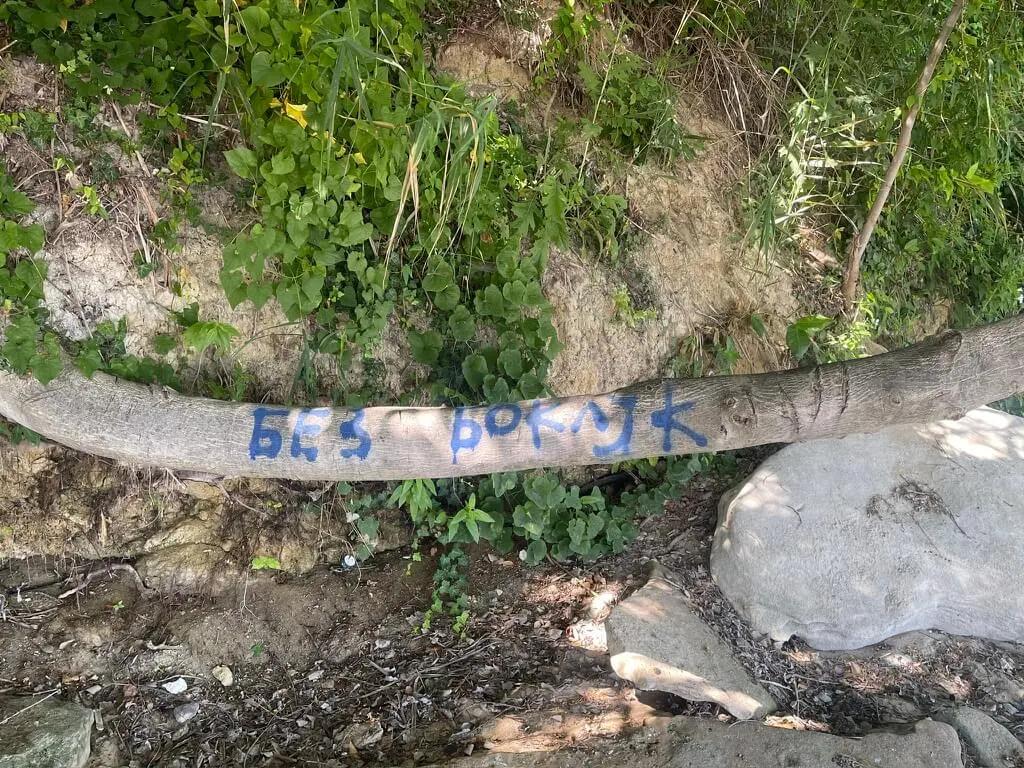
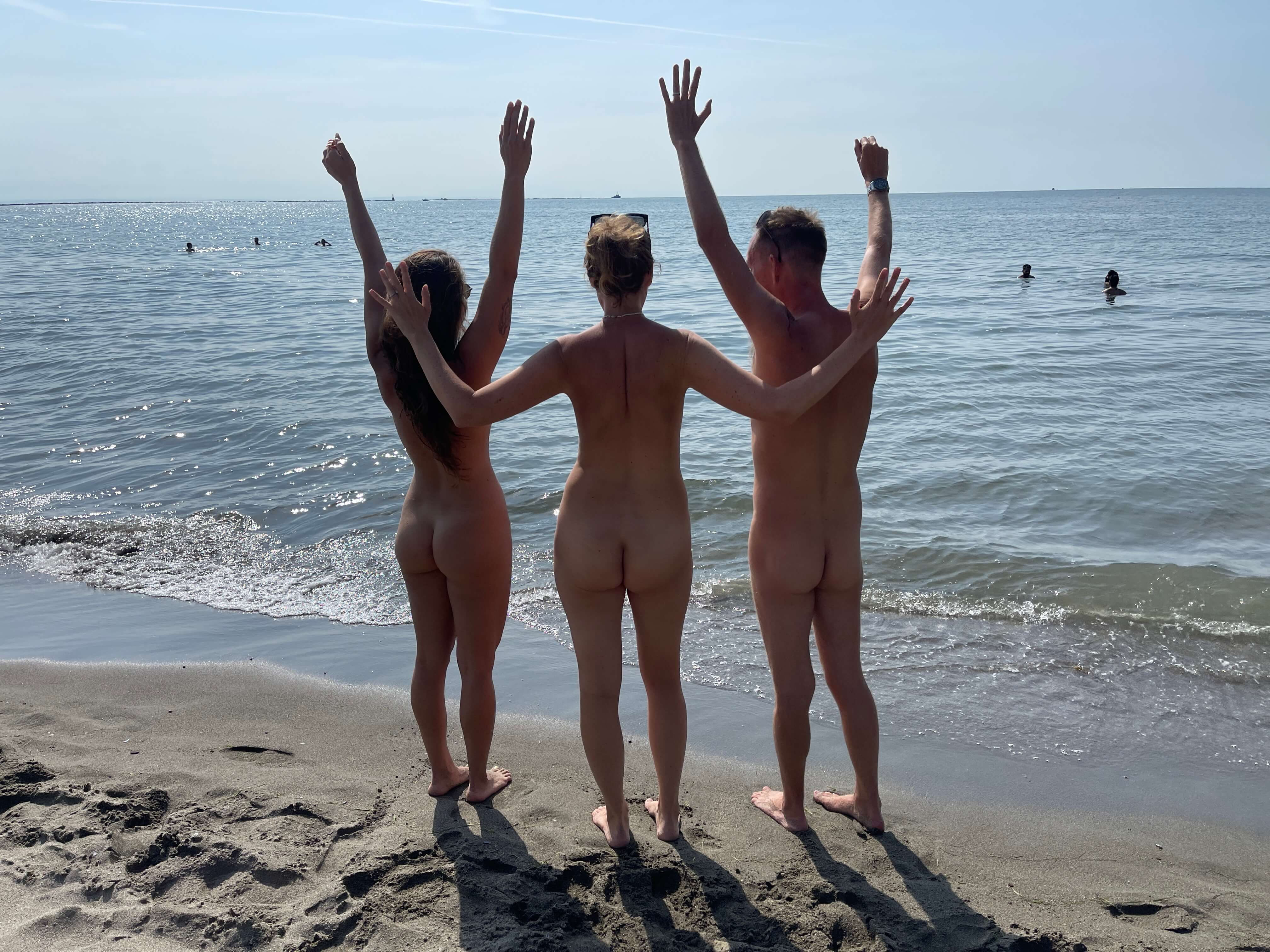
No FKK signs in Bulgaria.. but we did see this. Bulgarian for 'nude beach'?
A good idea?
Do I wish there were a universal symbol everyone understood at a glance, without relying on a specific language? Absolutely. It would help first-timers and make the experience clearer for everyone. Until then, if you see FKK, you’ve found your sign to strip off and enjoy the sun!